
Welcome to the Positive Pulse blog! Check in with us each month for tips on healthy living, right on our website. A short snippet will be featured in the Positive Pulse monthly newsletter as well, which you can sign up for here.
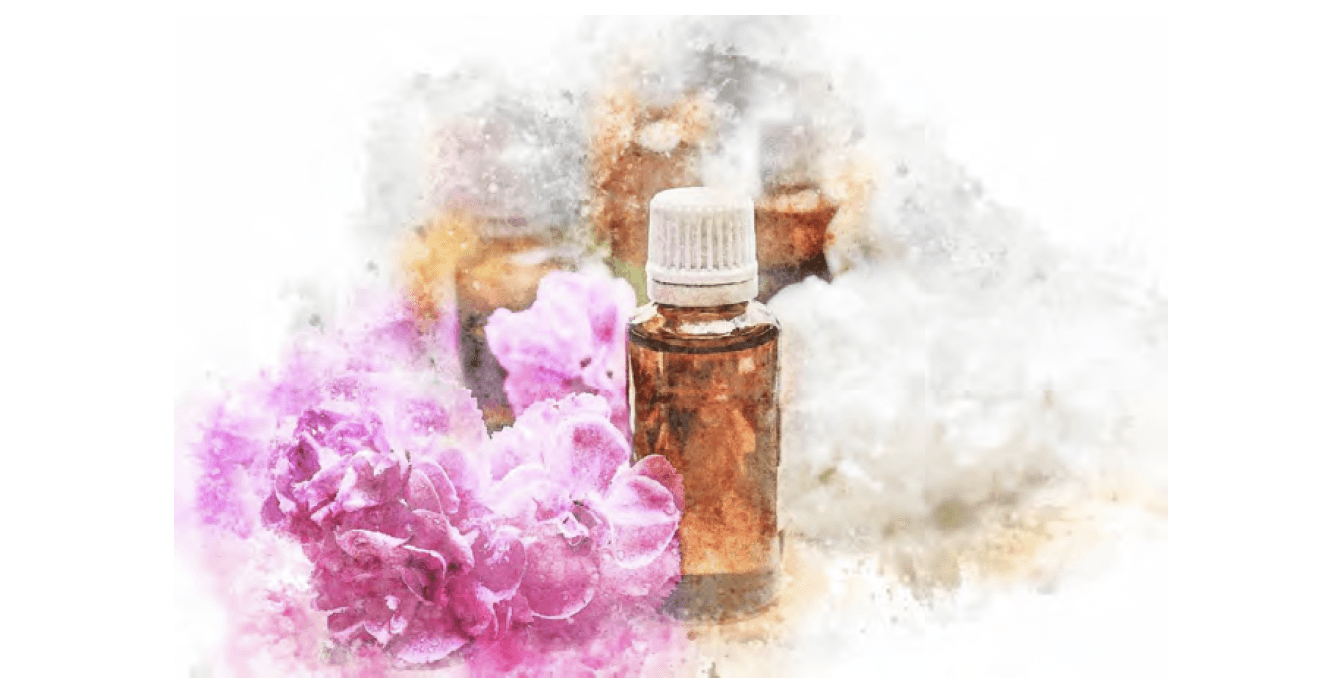
We're back this August with some more tips on healthy living, this time our focus is on making sense of scents through aromatherapy and use of essential oils. Aromatherapy has a long history and continues to be beneficial to those who practice today. There are many types of essential oil with different properties; it's important to know what to use and when. There are various ways of utilizing essential oils including through inhalation and topical use with each having their own benefits.
Aromatherapy is a holistic healing treatment that uses natural plant extracts to promote health and well-being. Sometimes it’s called essential oil therapy. Aromatherapy uses aromatic essential oils medicinally to improve the health of the body, mind, and spirit. Which means it enhances both physical and emotional health. Ancient cultures in China, India, Egypt, and elsewhere incorporated aromatic plant components in resins, balms, and oils. These natural substances were used for medical and religious purposes. The term “aromatherapy” was coined by a French perfumer and chemist René-Maurice Gattefossé in a book he wrote on the topic that was published in 1937. The book discusses the use of essential oils in treating medical conditions and he had previously discovered the healing potential of lavender in treating burns.
Aromatherapy Benefits Include:
- Managing pain.
- Improving sleep quality.
- Reducing stress, agitation, and anxiety.
- Soothing sore joints.
- Treating headaches and migraines.
- Easing discomforts of labor.
- Fighting bacteria, viruses, or fungi.
- Improving digestion.
- Improving hospice and palliative care.
- Boosting immunity.
Aromatherapy works through the sense of smell and skin absorption using products such as diffusers, aromatic spritzers, inhalers, bathing salts, and body oils, creams, or lotions for topical application. Each essential oil comes with its own therapeutic benefits. With so many essential oils available, it is sometimes difficult to learn which oil is best for your specific needs. Below are some examples.
Chamomile
• Chamomile, widely known for its soothing characteristics (particularly in tea), is extracted as an essential oil from the leaves of the flowering plant of the same name. There are two types of Chamomile plants, the Roman Chamomile and German Chamomile. The aromatherapy oil can be extracted from both varieties,
but healing properties are slightly different.
• Aromatherapy Uses: Many of the following properties are consistent in both Roman and German Chamomile, unless noted otherwise. Chamomile is a powerful calming agent, as well as antibiotic, antiseptic, antidepressant and overall mood lifter. The German variety is often better suited to battle inflammation, specifically urinary tract and digestive inflammation. Both also have analgesic
properties and can help to eliminate acne.
Caution: Avoid during pregnancy and if allergies to Ragweed are present.
Lavender
• Lavender is one of the most popular essential oils on the market and for good reason. It smells great and is an effective stress-relieving oil. In addition to stress-relieving properties, Lavender is a healing aid against colds, flu and migraine.
• Aromatherapy Uses: In addition to stress-relief, Lavender has the following therapeutic properties: antiseptic, antidepressant, anti-inflammatory decongestant, deodorant, diuretic and sedative.
Caution: Discontinue use if you suffer an allergic reaction when using Lavender.
Lemon
• It comes as no surprise that lemon is a favorite essential oil. Lemon is widely appreciated for its clean smell, but has numerous therapeutic qualities as well. It improves concentration, aids in digestion and eases symptoms of acne and arthritis.
• Aromatherapy Uses: Lemon oil is a multifaceted essential oil. It helps with everything from skin irritation to digestion to circulation problems. It is a natural immunity booster and can even help reduce cellulite! Lemon oil helps to alleviate headaches and fever, and is a quick mood enhancer.
Caution: While lemon oil isn't toxic, it can cause allergic reactions such as rash. It's not wise to use lemon oil in the sun.
Tea Tree
• If you have but just one essential oil in your possession, it should be Tea Tree oil. Tea Tree oil is one of the most popular and effective essential oils for aromatherapy use. It is widely known to boost the immune system and fight infections.
• Aromatherapy Uses: Tea Tree's healing properties are abundant. Not only is it a natural immune booster, but it also fights all three kinds of infection. It works to heal skin conditions, burns and cuts, and also works as an insecticide. In addition, it helps to soothe and treat cold sores, respiratory conditions, muscle aches, the flu, Athlete's foot and dandruff. Its uses are vast and its healing power is quick.
Caution: Tea Tree oil is not toxic, but avoid using it internally or around the eyes and nose. It is also not recommended for serious cuts.
SOURCE:
https://www.healthline.com/health/what-is-aromatherapy#how-does-itwork?